
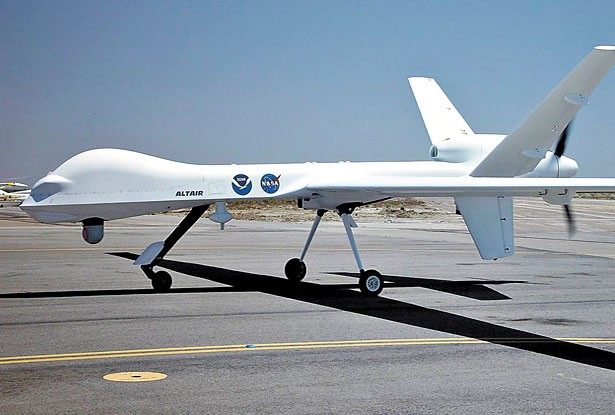
Back a few short years, when one referred to drones, it was almost exclusively within the context of a discussion of the works of George Lucas and the Star Wars film franchise. Now, drones, the good, the bad and the hilarious, are one of the “it” topics surfing a pop culture wave right into our hearts and minds.
What put the humble unmanned aircraft into “viral” territory was a segment on American TV show 60 Minutes that broke the news that giant online retailer Amazon was considering using drones, or unmanned aircraft vehicles (UAV), to ship merchandise from their mega-warehouses direct to customers.
But drone use isn’t all about making sure your latest Beyoncé CD arrives on time.
Drones have obviously been used for military purposes for years, often to devastating effect. As a result, drones are big business. According to a report by Teal Group Corporation, spending on such unmanned aircraft will hit more than $11 billion by the end of the decade.
Last month, the University of Toronto used a quadcopter drone as part of a protest against illegal video surveillance in public places. According to a media release, the drone was scheduled to carry a bright yellow sign reading “Illegal Camera” and be positioned directly in front of a video camera at the Eaton Centre.
“New technologies for surveillance have outpaced our society’s ability to create public policy for their governance,” says professor Alex Ferworn. “Our UAV surveils a CCTV camera, which surveils our UAV. There are no effective rules for either activity.”
The drone was to be flown by Chris Kong and Jimmy Tran of N-CART.
A recent media report suggested that criminals in Quebec are using drones to buzz prison facilities and make drops of “drugs and other illicit substances.”
The more one becomes aware of drones, the more they seem to appear, whether it be real estate agents or other such land development types using drones to provide aerial photography or a hobbyist constructing a “bio-drone” the shape and size of a hummingbird. Oh, and surveillance. Lots of surveillance. But you didn’t hear that from us.
Currently, lawmakers in the United States and Canada are playing catch-up. It is estimated that there will be tens of thousands of drones in the skies by 2020, from toy crafts to larger unmanned aircraft the size of planes.
Hobby drones are readily available at a cost of approximately $300.

