
If a home is not cleaned and cared for, it will become rundown and less habitable. It’s no different with our broader surroundings, from the environment to the entire planet.
If we disconnect from the natural world, we become disconnected from who we are — to the detriment of our health and the health of the ecosystems on which our well-being and survival depend.
Understanding that we’re part of nature and acting on that understanding makes us healthier and happier and encourages us to care for the natural systems around us. A growing body of science confirms this, including two recent studies that explore the ways nature benefits human health.
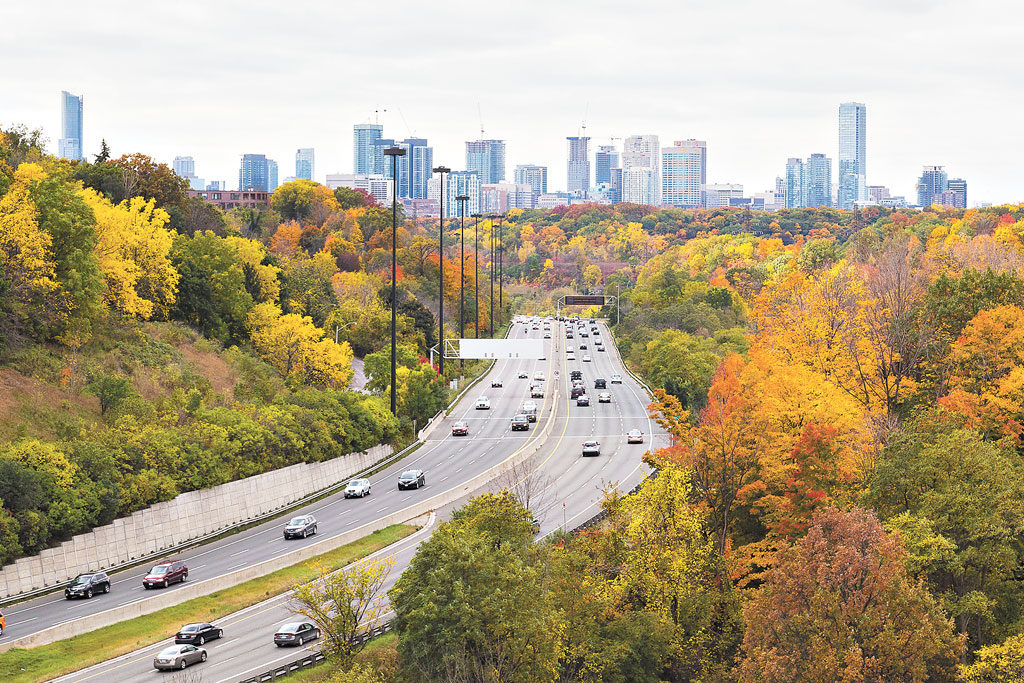
A Toronto-based study, published in Nature and co-authored by a team, including University of Chicago psychologists Omid Kardan and Marc Berman and David Suzuki Foundation scientist Faisal Moola, examined the relationship between urban trees and human health. According to “Neighborhood Greenspace and Health in a Large Urban Center,” people living in areas with many trees, especially large trees, report feeling healthier than people in areas with fewer trees.
The other study, published in Ecosystem Services and co-authored by scientists from the U.S. National Oceanic and Atmospheric Administration (NOAA), reviewed a range of research to explore “observed and potential connections among nature, biodiversity, ecosystem services and human health and well-being.” The authors concluded, “The significance of biodiversity to human welfare is immense.”
According to the Toronto study, adding 10 or more trees to a city block offered benefits to individuals equivalent to earning $10,000 more a year, moving to a neighbourhood with $10,000 higher median income or being seven years younger.
As well as the study’s participants’ self-reporting on the health benefits of nature, the study also found reduced rates of heart conditions, cancer, mental health problems and diabetes in areas with more trees.
The NOAA study delved even deeper into specific physical and mental health outcomes, finding that people living in areas with abundant green space live longer and experience lower rates of “anxiety and depression (especially), upper respiratory tract infections, asthma, chronic obstructive pulmonary disorder (COPD), severe intestinal complaints, and infectious disease of the intestine” than people deprived of nature. The researchers concluded that increased exposure to nature “can have positive effects on mental/psychological health, healing, heart rate, concentration, levels of stress, blood pressure, behavior, and other health factors.”
As noted in a Toronto Star article, the Toronto research also found that, “within cities, urban tree lines often follow the fault lines of social, economic, political and ecological disparity.” In other words, protecting and increasing green spaces and improving access to them is a social justice as well.
Science is giving us a better understanding of the many ways natural spaces can improve the lives of humans and how connecting with nature improves our desire to protect our surroundings. After all, Earth is our only home.

