
Though much abused, the term “green design” has real meaning. Buildings consume a huge amount of energy and other resources. Anything we can do to save those resources is a plus for the planet. Green design can and should begin at home. These tips will enhance your home, save you money and aid the environment.
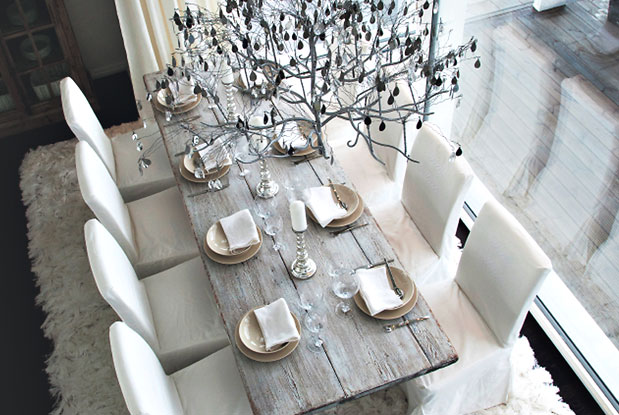
• The most earth-friendly materials are those that already exist. In our renovations, we reuse what’s already there whenever it makes sense. Anything with recycled content — from tile made with reclaimed glass to natural-looking rugs woven from recycled plastic — gives new life to old stuff, keeping it out of landfills. Reclaimed wood adds character, whether as a building material or in furnishings. For an appealing accent, get a new table made with old wood.
• Eco-savvy new materials sometimes cost a bit more but pay off in performance and natural benefits. Engineered flooring saves trees by using wood veneer (from many species). Today it looks as good and wears as well as hardwood flooring (we like the hand-scraped version — the contoured surface hides many scratches and scuffs). The best laminate flooring costs less, lasts even longer and is relatively easy to install or replace. Paint with low or no VOCs (volatile organic compounds) provides high-quality coverage while keeping harmful chemicals out of waste streams (and your lungs).
• Little things add up. Replace old light bulbs with energy-efficient compact fluorescent or LED bulbs. They use much less energy and last much longer than standard incandescents, resulting in savings that justify their higher (but dropping) prices. Another simple fix: swap out old showerheads for low-flow ones.
• An energy audit can tell you where your home is wasting energy and dollars. It uses techniques such as infrared temperature readings and air-pressure tests to determine trouble spots. You can detect many on your own by using an incense stick to check around windows and doors for air leaks. When the smoke reveals a draft, use caulk to seal leaks.
• Wrap your water heater with an insulation blanket, which costs around $20. This will reduce heat loss significantly and can cut your energy bill by four to nine per cent. Or consider getting a tankless water heater, which heats water on demand. With that you can save on both energy and water bills.
• For best results, choose Energy Star–rated products. You’ll find this rating on lab-tested appliances, air conditioners, furnaces, windows, insulation and other home essentials. High-efficiency kitchen and laundry appliances save not only energy but water, and even detergent. Depending on where you live, tax credits may help pay for energy-efficient appliances, new insulation and other eco-savvy upgrades.
• In warmer months, lawn and garden watering can make up half your water usage. Consider adding native or drought-tolerant plants in place of grass. Funnel rainwater from your downspouts to barrels or tanks to supplement city water and save on your bill. Water in the morning or at night to minimize evaporation. Install drip irrigation. Cover your garden beds with mulch to retain moisture.
Green design involves making the most of what we have. Taking a sustainable approach to your home will yield savings and a greater sense of well-being.
Post City Magazines' columnists Jonathan and Drew Scott host The Property Brothers on the W Network.

