
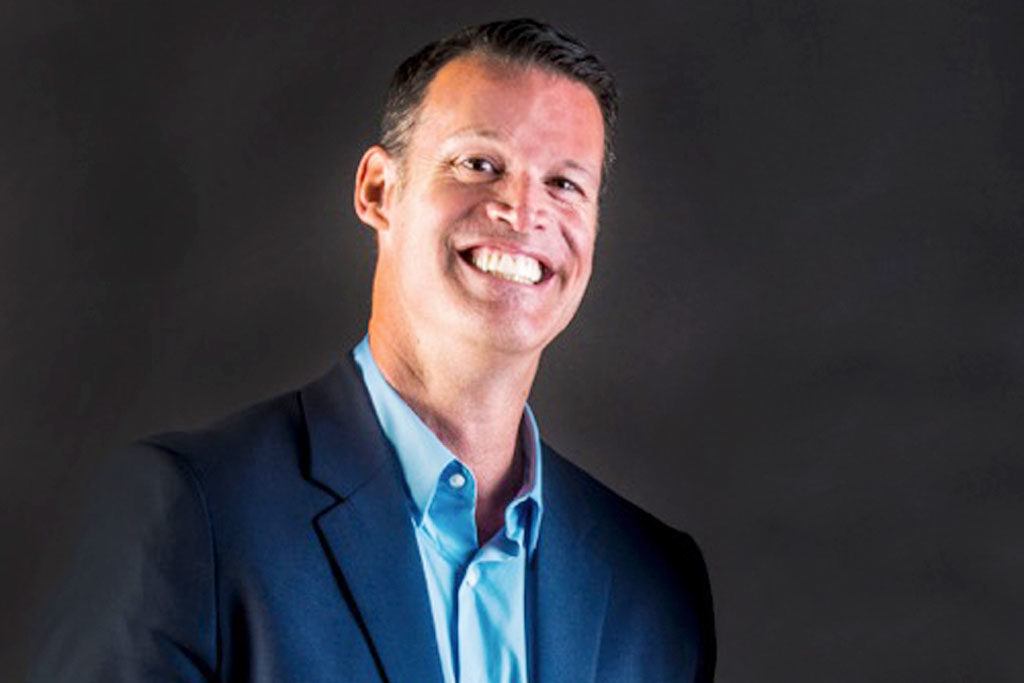
Mark Tewksbury won a surprise gold medal in backstroke at the 1992 Summer Olympics in Barcelona, Spain. Six years later, he came out and set to work as a motivational speaker and advocate for LGBTQ rights, mentoring young athletes amongst other things. This month, he’s heading to Brazil as part of the CBC team for the Rio Summer Olympics. Post City caught up with him to talk about the Rio Games, coming out and how things have changed (or not) for LGBTQ athletes.
Apparently, our prime minister was chanting your name during the Pride Parade. That must have been pretty cool.
Oh man, that’s what you’re starting with? Truly, it was quite something for him to do that. It was a very exciting moment, and I am super proud of our great country, expecially with what’s going on in the world, the attitude exemplified by our government, business and the people of Canada.
That was the first time a prime minister had walked in the parade. Were you surprised to find that out?
I know, yeah, and double so, as Justin has walked before as a member of Parliament. It’s kind of surprising, but we forget. It was 1998 when I came out, and it was a huge deal. Being gay in the ’80s and ’90s was not easy, and there were all kinds of rights being fought for in all kinds of arenas. It’s less than 20 years, but that’s easy to forget.
How has the Olympics changed in terms of acceptance of those with different sexual orientations — is it where you thought it would be?
Well, legislatively let’s say, there has been a change in the Olympic charter, a non-discriminatory change, which is huge in some ways. The spirit of sport still has a way to go, the practise of that all the way through the system. But it has to start somewhere, and the IOC [International Olympic Committee] took a step in the right direction.
It seems as if you could still count the number of “out” athletes on your fingers.
It’s still hard to name that many athletes right now that are openly gay going into the Olympics. Still maybe on your fingers, yeah, that are out. But the world is really changing. This next generation of human beings has a different experience of sexuality and exposure to things. It’s not quite bursting through yet.
Does sport have a diversity issue, and if so why?
There are lots of different reasons for it. Just within the Olympic movement itself, historically, it was only for men. The structure of sport is very hierarchical, very patriarchal. It’s a nod to an era gone by and really not far from the traditional boys’ club. All those things by nature are exclusionary and hard to change with the power concentrated in certain hands.
How hard was it when you came out, and did you have a sense of purpose to help younger athletes at that time?
It was something that came later. When it happened, I was a person that did remain fairly well-known after the Olympics, and it became more and more difficult to hide something about myself. I decided eventually that I had nothing left to lose, in a way. I never imagined I would share something so private. It wasn’t a burning desire. It just felt like it was choking. Now, it has just had this incredible ripple effect
How does the swim team look? Can we expect a big haul in the pool?
I’d like to avoid predictions, having lived through predictions. I mean, I think Ryan [Cochrane] is an amazing contender and would be Canada’s winningest swimmer if he gets his third medal in his third Games. I think the women’s program is super exciting. Other countries’ results are starting to come in, and we are starting to see the whole field, and it is a really competitive world right now. There is lot of talent out there.
What are you most excited about in Rio?
I’m really curious to see how these Games come together and just sort of where we go from here as an Olympic movement. These games might be challenging to transcend all the issues that seem to be out there still.

