
This month, most of our children are graduating schools, from Grade 1 to those heading off to university. At the same time, ironically, every conversation I’ve had with friends over the past few months, has focused on our “purpose” in life. I am constantly hearing, “I hate my job!” Hey, at least you’re not alone. Most of my friends, like me, are in “the new mid-life,” in our 40s and feel we need a career change.
Unlike our parents’ generation, we don’t really want the same career for, well, ever. Unlike our parents, too, they didn’t need career consultants or life coaches, and, for that matter, our parents’ generation probably hadn’t even heard of life coaches or career consultants.
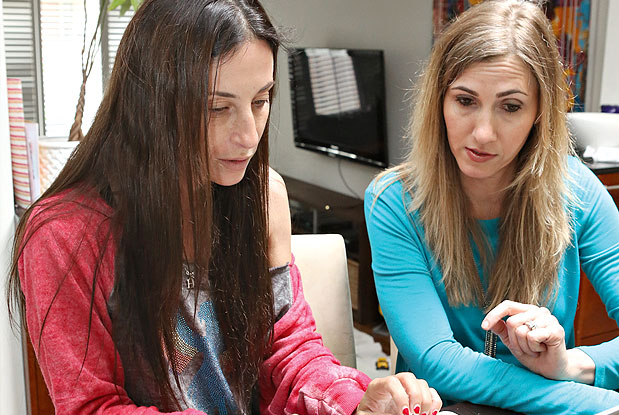
So how exactly, when we hit “the new mid-life” and are questioning what we do with the rest of our lives, do we make a change? I had no idea, so I talked with Carly Cooper, at carlycoopercoaching.com, possibly the most well-known life coach in Toronto (who is also married to the talented artist Marc Cooper.)
“Most of my clients are women in their late 30s to mid-40s and ambitious. A lot of them have had kids who are now in school, and this is the time they are thinking about themselves and have reached a point of asking, “What do I really want to do? They feel unfulfilled, bored, lost, unchallenged, stuck and confused.”
Times have changed. The new mid-lifers are now giving themselves permission to re-evaluate and not settle.
Life coaches or career consultants are as mainstream nowadays as juice cleanses. “People come to me asking, ‘What am I supposed to do now? I’m too scared to take a risk even though I hate what I’m doing,’ ” says Cooper.
On the upside, says Cooper, there is more awareness that people no longer have to “settle,” be it in relationships or careers. There’s a “movement” now toward “happiness” and “joy,” says Cooper, instead of just having an impressive title or money in the bank. Cooper helps “lost” people figure out what would make them happy when it comes to making this huge change.
First, she asks clients, “If you were being honest and knew that failure wasn’t an option, what would you do?”
Cooper is like a walking, talking billboard of inspirational sayings and quotes. It’s impossible not to like her, because she does seem to have figured her passion out, is always laughing and has found her purpose.
“I have clients who, on paper, have it all. They have Harvard degrees, money in the bank and they are still self-doubting their career choice after decades, which leads to low self-esteem because they are confused and scared. Our generation was bred and brought up to think that getting an impressive job or title, pleasing our parents meant happiness and joy. But now they are realizing it’s not enough.”
One client, she tells me, who was so lost after her two children got older, came to her, and as Cooper says, “She needed a mental adjustment. And, by talking it out, and focusing on what she really wants, she went from ‘zero to hero’ within three months after getting a job she loved. She even won an award at the company within those three months.”
Another client, who made tens of millions, selling a company, was also lost. Cooper is helping her figure out her next steps because she does not want to continue in the industry she’s in. (Obviously, money does not always buy happiness!)
Basically, Cooper says bluntly, people need to “grow a pair,” if they really want a career change. Clients are scared of the risks and what others will think. “But it’s your journey and no one else’s.”
I also talked to Aileen Crowne, a certified career consultant at Crowne Holt and Associates, who also has seen a trend that impacts us in the new mid-life.
“There are trends I see in certain industries that are industries for young people. As you get older, you do get too old for some of these jobs, like PR and anything in communications. It’s a young person place to be. So I have a lot of experienced older people I see who no longer want to be in certain industries or have been laid off because of that.”
She, too, asks clients what is their passion, before getting to the nitty-gritty questions that they must ask themselves before making a leap in careers.
“People need to ask themselves, how do you want your life to be set up? How much time do you want to spend with your children or your aging parents? Do you want to be in the city? You need to look at the whole person, and that’s part of the process, finding that balance,” says Crowne.
Like Cooper, she says, people really need to look deep into themselves.
There is a silver lining. Not everyone really hates their jobs, even if they think they do. “First and foremost, you have to figure out what is your perception and what is the reality. You may really actually love your job, but it may be other things, such as having an awful manager. Then I will work on how to get along better with the managers.”
So, yes, change careers. It’s totally acceptable these days, even and especially in the new mid-life. And if you happen to see me piloting the ferry to Centre Island, well, you know I made the leap!
Post City Magazines’ columnist Rebecca Eckler is the author of Knocked Up, Wiped!, and her latest books, How to Raise a Boyfriend and The Lucky Sperm Club.

