
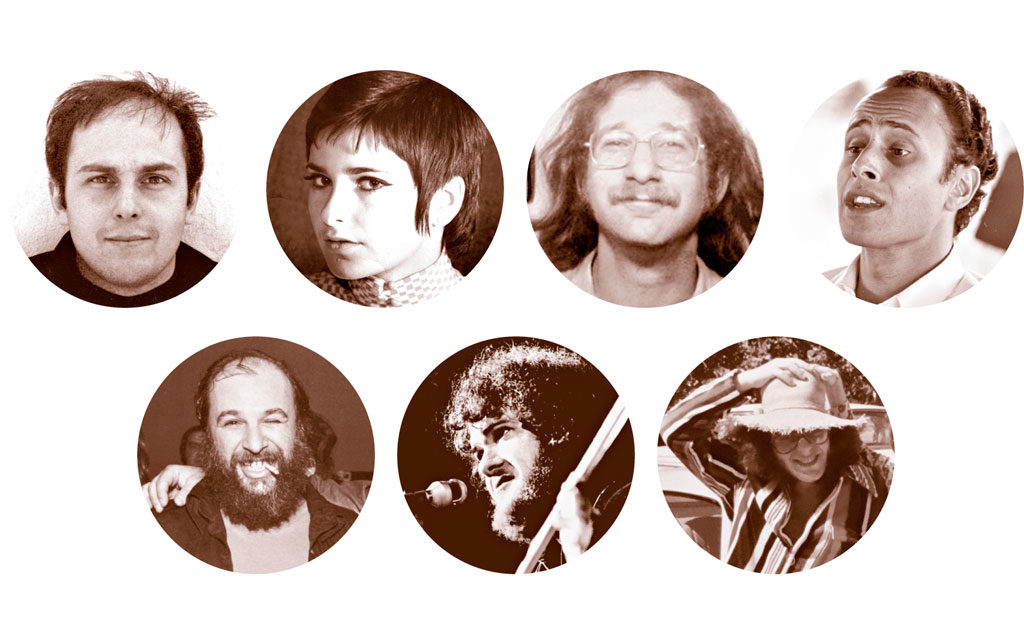
Charles Pachter, artist
I showed at Gallery Pascale in Yorkville in 1968. Yorkville was a bunch of little houses, and had a few coffee houses. Streets like Yorkville were just shabby little hippie hangouts. Everything was provincial and quiet and things were still closed on Sundays.
Jeanne Beker, The Shopping Channel host
We used to skip out everyday and go to Yorkville — it was just a way of life! We all hung out at the Penny Farthing and those great old clubs. Kensington Market was a really popular group at the time, as were the Ugly Ducklings.
Joel Carman, owner, Over the Rainbow
I was living in Stouffville at the time on a farm with a bunch of people. There was a movement away from the city and into the country. It was about getting back to your roots and simplifying things. We had horses; we grew organic food. We were very conscious about what we were doing and thinking.
Bramwell Morrison, musician & actor
The Bohemian Embassy was a cultural centre all of its own. They had a weekly open mic hootenanny, and a lot of us got our starts singing two or three songs there and being able to listen to other young artists.
Bob Beckerman, CEO Raybec Communications
We were lucky that we had the freedom our parents never had because they grew up in the Depression and lived through the war. Everything was new, exciting, and we felt nothing was impossible. We had big dreams. We were in love!
Murray McLauchlan, musician
One particular night when I was playing the Riverboat, a woman yelled out, “Why don’t you play for free?” And I quickly rejoined, “Why don’t you go $%&# yourself?” After the set, I was at the back stairs with Jack Nicholson, who was in town shooting The Last Detail, when this woman barges in and says “I’m here because I’m really enraged that you told me to go $%&# myself.” Jack interrupts and says, “You know, it is better than nothing.”
Bernie Finkelstein, True North Records owner
I moved to Yorkville in about 1965. There were 40 clubs jammed into those four blocks. It was very youthful. None of these clubs had alcohol licences, so they were habituated by very young people. And everybody was stoned.
In our June issue we took a look at how much Toronto has changed since the 1960s — and at the remarkable similarities and parallels. We’re publishing all of these stories online today. For more, follow along on Twitter and Facebook with the hashtag #Post60s.

