
It is important for Canadians to understand that, even with a government sympathetic to environmental issues, we won’t act deeply and quickly enough or prevent new problems because we haven’t addressed the root of our environmental devastation. The ultimate cause isn’t economic, technological, scientific or even social. It’s psychological.
If we were to examine the anatomy of human brains, the circuitry and chemistry of neurons or the structure of our sense organs, nothing would permit us to distinguish gender, ethnicity or religion because we all belong to a single species, but we learn how to see the world. That then determines our priorities and actions.
The world has been overwhelmed by the belief that our species stands at the pinnacle of evolution, endowed with impressive intelligence and able to exploit our surroundings as we see fit. We feel fundamentally disconnected from nature and therefore not responsible for the ecological consequences of our actions. Even at the 2015 Paris climate conference, the sense of urgency about climate change was dampened by the perceived equal need to protect jobs and to consider the economic costs of aiding vulnerable nations and even ways to continue exploiting fossil fuels, the very agents of the crisis.
We can’t just look at the world as a source of resources to exploit with little or no regard for the consequences. When many indigenous people refer to the planet as “Mother Earth,” they are not speaking romantically, poetically or metaphorically. They mean it literally. We are of the Earth, every cell in our bodies formed by molecules derived from plants and animals, inflated by water, energized by sunlight captured through photosynthesis and ignited by atmospheric oxygen.
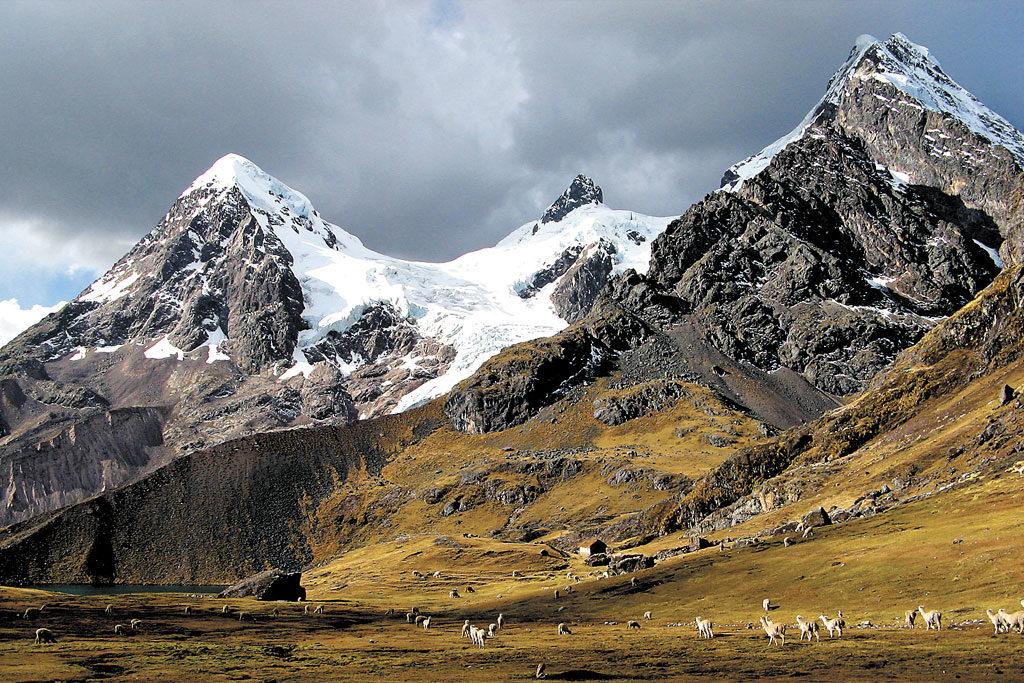
Years ago, I visited a village perched on the side of an Andean mountain in Peru. People there are taught from childhood that the mountain is an apu, a god, and that as long as that apu casts its shadow on the village, it will determine the destiny of its inhabitants. Compare the way those people will treat that mountain with the way someone in Trail, B.C., will after being told for years the surrounding mountains are rich in gold and silver.
Is a forest a sacred grove or merely lumber and pulp? Are rivers the veins of the land or sources of power and irrigation? Is soil a community of organisms or simply dirt? Is another species our biological relative or a resource? Is our house a home or just real estate?
Once we learn that our very being, essence, health and happiness depend on Mother Earth, we have no choice but to radically shift the way we treat her. When we spew our toxic wastes and pesticides into the air, water and soil, we poison our mother and ourselves. When we frack our wells, we contaminate the air and water on which we depend. When we clear-cut forests, dump mine tailings into rivers and lakes and convert wilderness into farms or suburbs, we undermine the ability of the biosphere to provide the necessities of life.
Is this how we treat our source of survival? Until society understands this and then acts on it, we will not be able to protect our future.

