
With all the talk of tolls on the Gardiner and DVP, it’s clear that Toronto is in need of revenue. Earlier this year, city manager Peter Wallace released a report outlining potential revenue tools to pay for services such as public housing and transit.
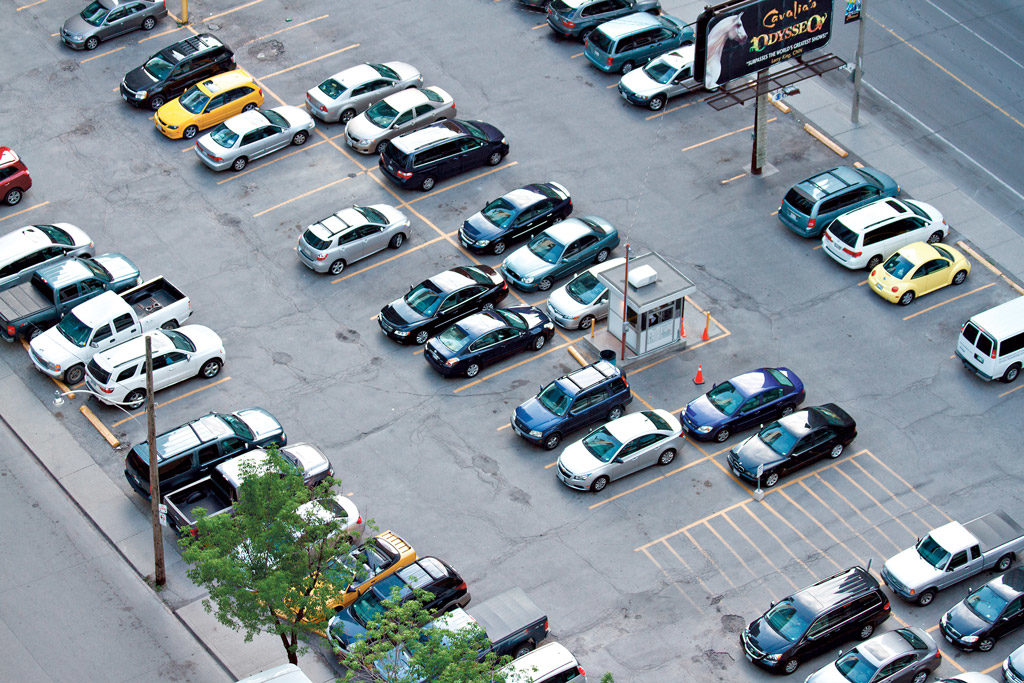
Among the most promising are a tax on alcoholic beverages and a levy on commercial parking lots. Detractors may attack these tools as cash grabs, but before they dismiss them, they should recognize these new measures could further a goal all of us support: making Toronto safer and healthier.
The Canadian Centre for Policy Alternatives says a five per cent tax on alcohol could generate about $77 million annually. A levy paid by the owners of commercial — not residential — parking spaces would add at least $175 million a year. Combined, these initiatives would provide Toronto with over a quarter-billion dollars each budget cycle to fix community housing and help finance TTC operations.
The Wellesley Institute, a Toronto-based think-tank that works to improve health equity, says lower-income residents “rely more on urban public transportation than all the other income groups.”
So when we put money into public transit — especially for things such as discounted low-income transit passes — we’re actually fighting poverty. We’re helping low-income folks search for employment, get to job interviews and eventually commute to work.
Trips on public transit are also less likely than those in cars to end in an accident. In a June 2016 report titled Safer Than You Think!, the Victoria Transport Policy Institute cites North American statistics showing “transit travel has about a tenth the traffic casualty (death or injury) rate as automobile travel.”
As well, money from the revenue tools could help fund the city’s new 10-year cycling-infrastructure plan, which will cost about $16 million annually. The plan includes a network of protected bicycle lanes — making our streets safer.
Alcohol and parking taxes could also encourage us to be healthier. The Wellesley Institute cites research showing that “increasing the price of alcohol reduces acute and chronic harm related to drinking amongst all age groups.” A five per cent tax could lead to a 2.5 per cent reduction in the amount of alcohol Torontonians consume.
If parking-lot owners pass the new levy on to drivers, the latter may use the car less and walk, cycle or take transit more often. Doing so would improve their fitness. The Canadian Association of Physicians for the Environment says, “Each additional hour spent in a car per day is associated with a six per cent increase in the likelihood of obesity.”
If implemented, we may find revenue tools such as the alcohol tax and commercial parking levy very helpful.
They provide financial incentives for healthy behaviour and hundreds of millions of dollars for public transit.

