
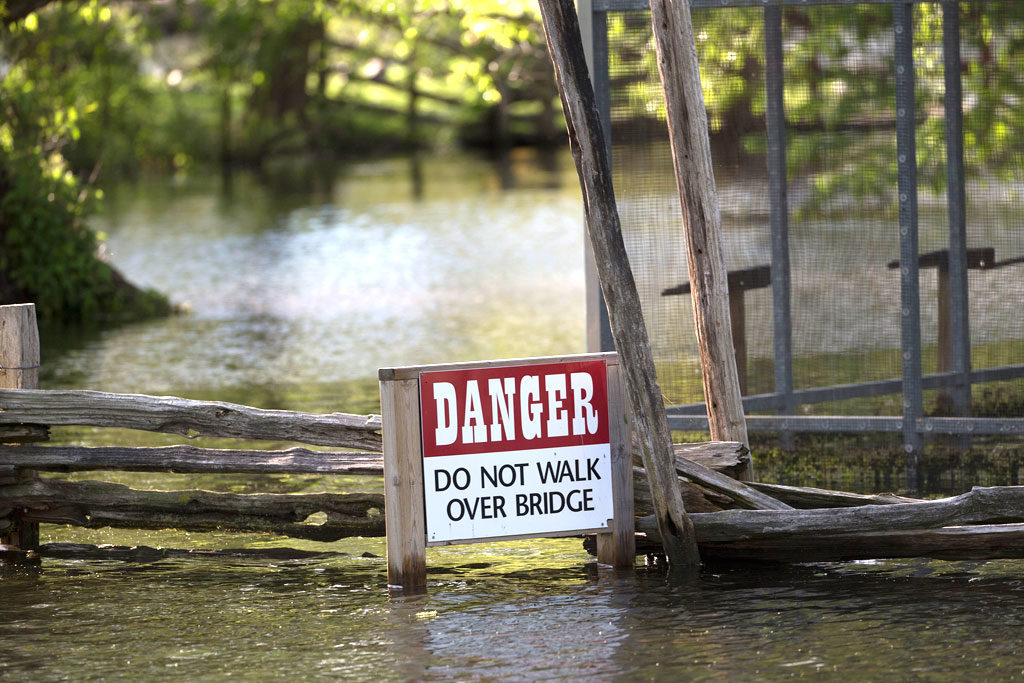
Spring flooding this year upended lives, inundated city streets and swamped houses, prompting calls for sandbags, seawalls and dikes to save communities. Ontario’s April rainfall was double the 30-year average. The provincial government had to boost its resources for an emergency flood response, and the City of Toronto was forced to close the Toronto Islands. Floods have become one of the most visible signs of the effects of climate change in cities like Toronto.
Spring floods aren’t unusual, but the intensity and frequency of recent rains are breaking records. The Intergovernmental Panel on Climate Change anticipates a significant increase in heavy precipitation events and flooding in many parts of the world, including Canada. When temperatures rise, the atmosphere carries more moisture, so when it rains, it dumps. The Insurance Bureau of Canada found one in five Canadians faces some level of flood risk, and 1.8 million households are at high risk.
With more than 80 significant floods in Canada since 2000, insurance costs are skyrocketing. Canadians personally shoulder about $600 million each year in losses related to flooding.
Deforestation, wetland destruction and artificial shoreline projects worsen the problem. Insurance agencies recognize that, compared to expensive infrastructure, keeping ecosystems healthy prevents climate disasters, saves money and improves resiliency. Insurers say conserving nature is about 30 times cheaper than building seawalls.
Still, many jurisdictions focus on engineered structures, such as rock walls or even giant sea gates for coastal flooding, dams and levees to hold back rivers and draining to prevent wetlands from overflowing. But built infrastructure costs money and requires more maintenance than keeping natural areas intact.
Urban concrete and asphalt surfaces prevent water from infiltrating into the ground and increase storm-water runoff. Nature absorbs rainfall and prevents excess water from overwhelming pipe networks, backing up sewers and pooling in streets and basements.
Many local governments are trying to keep up by limiting development in flood zones, better managing flood plains and updating flood-management systems. The federal government has set aside $2 billion to help local governments defend against natural disasters like fire and flooding. It should allocate a significant portion to natural infrastructure solutions.
It’s time we recognized the importance of intact nature and built green infrastructure as central to flood-prevention efforts. Nature can help us — if we let it.

