
My grandparents came here from Japan at the beginning of the 20th century. My grandparents and Canadian-born parents, like indigenous people and others of “colour,” couldn’t vote, buy property in many places or enter most professions. A lot has changed since then, for the better and for the worse.
When I was a boy, we drank water from lakes and streams without a thought. I never imagined that one day we would buy water in bottles for more than we pay for gasoline. Canada has more fresh water per capita than any nation, but many indigenous communities don’t have access to clean drinking water.
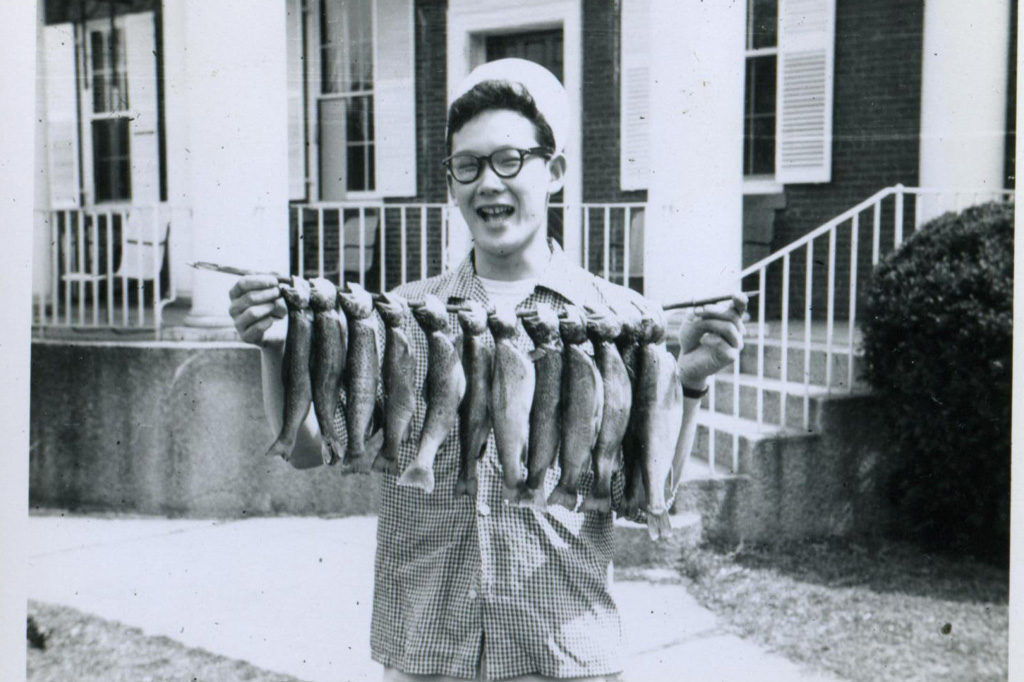
When I was growing up in Vancouver, Dad would take me fishing for halibut off Spanish Banks, sturgeon on the Fraser River and salmon in English Bay. Today I can’t take my grandchildren fishing in those places because the fish are gone.
As a boy, I never heard of asthma. Today, childhood asthma is as common as red hair. And half of all Canadians live in places with unacceptable air pollution.
I also remember when all food was organic. I never thought we’d have to pay more not to have chemicals in our food. Today we can’t avoid the toxic consequences of our industrial and agricultural activities. We all have dozens of toxic pollutants incorporated into our bodies.
We may think the highest rate of deforestation is in the Amazon, but in 2014 Canada became the world leader in loss of pristine forests.
Surely, in a nation with so much natural wealth, we should expect better appreciation, treatment and protection of the air, water, soil and rich biological diversity that our health, prosperity and happiness depend on.
The right to live in a healthy environment is recognized by more than 110 nations — but not Canada. That inspired the David Suzuki Foundation and Ecojustice to launch the Blue Dot movement a little over a year ago.
It’s exceeded our expectations, with more than 100 municipalities passing environmental rights declarations and a number of provinces considering or committing to the idea. The next step is to take it to the federal level, by calling for an environmental bill of rights and, ultimately, an amendment to the Charter of Rights and Freedoms.
The environmental rights campaign is also about human rights and social justice — something recognized by the United Nations, which has appointed a special rapporteur on human rights and the environment. A country and its values are measured not by the number of extremely wealthy people but by the state of its poorest and most vulnerable. Many environmental problems are tied to societal inequities — hunger and poverty, chronic unemployment, absence of social services, inadequate public transit and often conflicting priorities of corporations and the public interest — as people at the lower end of the socio-economic scale are disproportionately affected by environmental hazards and toxic pollution.
Canada has come a long way, but we can’t be complacent. We must work to maintain and strengthen the rights of all Canadians, to build an even better Canada. That means giving all Canadians the right to a healthy environment.

