
“I was at this party,” he said. “I listened to a couple who paid 20 per cent over asking for an unrenovated bungalow because they had to beat this bully offer. They waived every condition and did 20 minutes of due diligence. I swear that house was on the market for five hours and the bully offer even killed the open house they’d planned. With this kind of madness, I’m out.”
By the way, he’s a urologist. Makes four large a year.
And here’s Dale, who wrote me after reading my last column: “What a huge waste of time and effort for people who put in offers at or near the asking price. People take off work, call their bankers, family and friends. They sit and wait, sometimes for a day or two in anticipation. They have pre-home inspections done and whatever else they might have to do and finally they put in an offer. How could they know that the people were expecting 180K more than the asking price?”
Real estate is the most emotional of asset classes. Sure, supply and demand forces affect prices mightily, but sentiment’s the real driver. For three years now, with cheap money, wonky financial markets and easy bankers, housing’s been hot. Now the average single-family home in 416 is way past $800,000.
The Vancouverization of the GTA was in full flower until things started going wrong in the last few weeks. Sure, the feds began turning off the tap over at the Canada Mortgage and Housing Corp., the agency that insures high-ratio mortgages against default, as it hits its $600 billion limit. That will ration loans to first-timers and cool the market. Yeah, there are new regs coming to tighten up lending practices, perhaps making everyone requalify each time a mortgage is renewed. And banks like CIBC have been quietly exiting the mortgage brokerage business, cutting off fuel for the real estate fire.
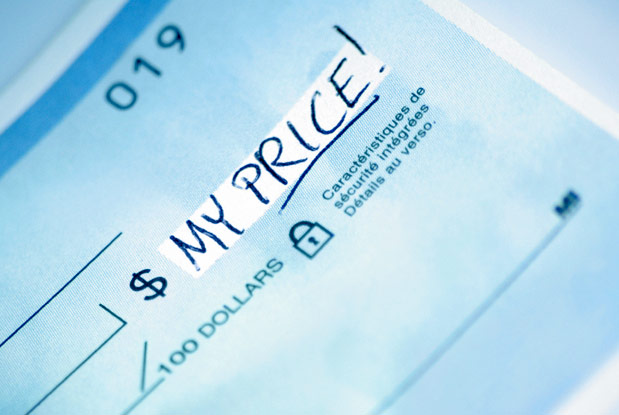
But all these deliberate moves pale in the face of greed and trickery — real or perceived. The day the asking price became a suggestion was a big one. When vendors expect multiples and some agents engineer a bidding war, buyers become powerless and pissed. This is not good long-term marketing.
In fact, a new form of vendor insanity has emerged lately. Disappointed they weren’t showered with offers far in excess of their “reasonable” ask, many sellers have refused to accept any, promptly relisting their properties at a higher price. This further alienates buyers, already choking at the idea of paying $1.4 million to live on a 30-foot lot in Leaside or $3 million for a fixer-upper 10 minutes to the north.
Concurrently, supply is making a comeback. Listings have started to increase, what with all the bubble talk in the media, revolting Greeks, government austerity and babes in sundresses to divert attention. This mini-cycle of unbridled housing lust is coming to an end, hastened in no small part by the rapacious who have simply pushed the market too far, too fast.
Garth Turner is Post City Magazine’s real estate columnist. Hi is a financial author, investment advisor and former MP. He writes a daily blog called Greater Fool.

