
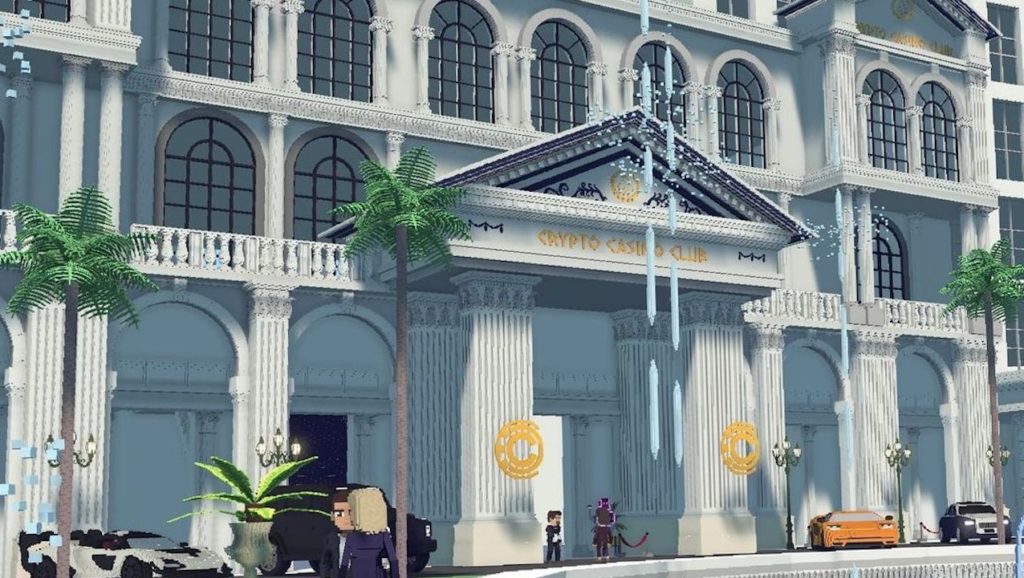
The Toronto real estate market is as hot as it’s ever been, and investors are taking the hint, making up the largest sector of home buyers in Ontario. But if you’re looking to make some smart investments with your money and you don’t have a couple hundred thousand to spare, there’s another real estate market out there that is growing faster than any other – the metaverse.
Sales of virtual real estate topped $500 million in 2021, with projections that that could double within the next year. A January report from BrandEssence Market Research estimated that the metaverse real estate market will grow at a compound annual rate of 31 per cent a year from 2022 to 2028. With some plots of land in the metaverse selling for under $25,000 right now, it might sound like a more accessible real estate investment for some. But getting involved in virtual real estate can take just as much work as investing in IRL real estate.
Virtual land is purchased as a nonfungible token, or NFT, meaning it’s a blockchain-based collectible that will be your proof of ownership (no one can swoop in and claim land you’ve bought as their own). Like all other NFTs, virtual real estate can be traded or transferred.
Andrew Kiguel, founder of Tokens.com, says metaverse real estate functions in a similar way to traditional real estate. “There are people who list their properties, there’s an asking price, and if you’re a first-time investor, you have no idea if they’re overvaluing unless you can go in yourself,” he says.
Kiguel says you should do the same type of research into the metaverse as you would into any other city you were thinking of purchasing property in. “It’s not a commodity, it’s not like buying Bitcoin or Ethereum, because property has a different value,” he says.
Currently, the metaverse is home to a variety of different platforms that essentially act as their own individual “cities,” including Decentraland, Somnium Space and The SandBox. “Virtual cities are huge, so you need to understand who they appeal to,” Kiguel says. He says it’s essential to learn about the differences between these different platforms before you decide where to invest.
Low-risk investors can try buying shares or tokens
If you’ve started with that foundation of research and know a bit more about each of the different platforms, there are two ways to start investing. You can buy up and develop a plot of land or you can invest in companies that are developing in the metaverse on a larger scale and let them do the heavy lifting.
Eric Klein, founder of MREIT, the first tokenized metaverse real estate investment group, says buying virtual real estate is a high-risk-high-reward option, whereas investing in virtual real estate companies is a lower risk option for beginners.
With MREIT, that would involve buying Ethereum, swapping it for an MREIT token and then holding onto that token, similar to investing in stocks. “You would then get the benefits of all of the lease profits, all of the revenue and NFT sales because we kick back 25 per cent of all profits to our token holders,” he explains. Klein says the value of the company’s tokens went up from 0.03 cents to $1.70 in six weeks, meaning token holders saw a massive return on investment just by holding those tokens.
Similarly, with companies such as Tokens.com, Kiguel says you can buy shares in the company, as they are publicly-traded. “The idea is by us, as a public company, you have full liquidity. It’s like if you were to buy a public real estate company, you can buy it or sell it when you want,” he says. “We hold the assets, we manage it, we’re doing the development and you get that exposure as an investor.”
How to buy and build your own land from scratch
If you’re interested in investing firsthand in the metaverse, there are a few ways to get started.
“If you have the time and the expertise, it would be more profitable for you to go out and buy your own piece of land and then potentially sell it because it is an NFT at the end of the day,” Klein says.
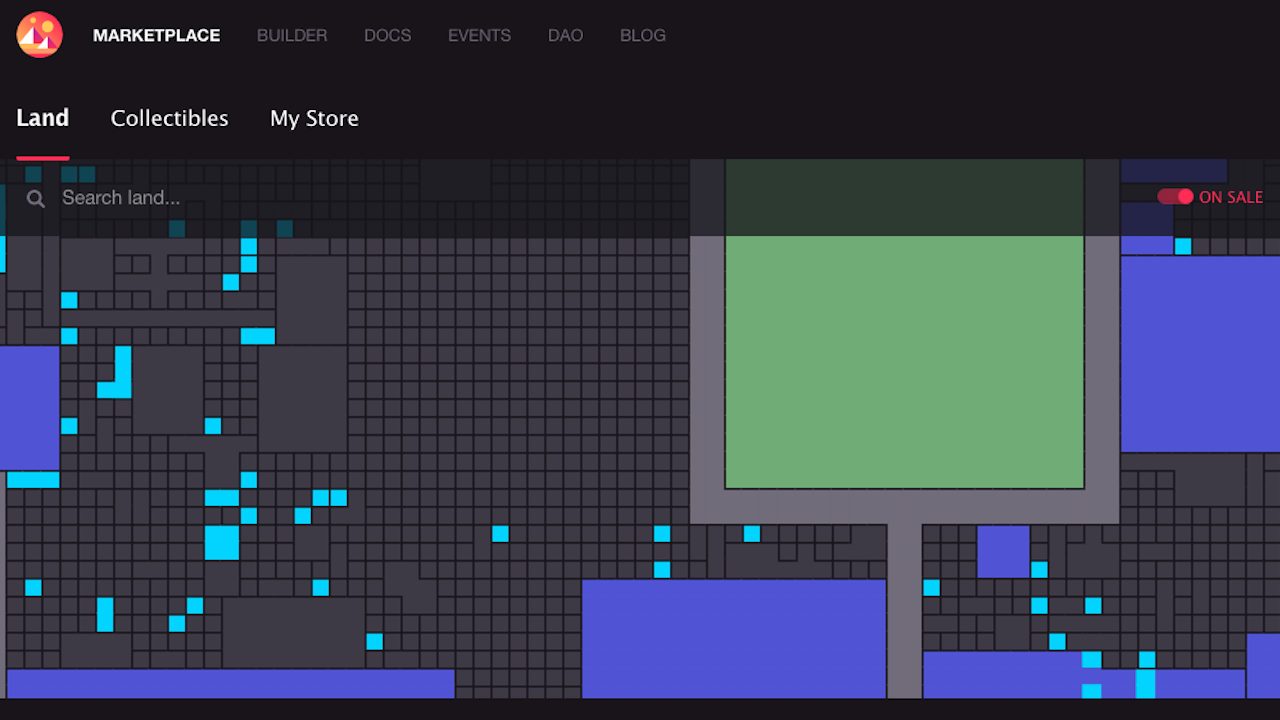
To start, you can purchase your piece of land by visiting the metaverse platform of your choice and connecting your crypto wallet. Most platforms have a map for you to explore the layout of the city and find available parcels of land. Klein says the land is selling on average for around USD$18,000. Then you’ll need to build out your property – platforms such as Decentraland have a builder program built into it so you can build a basic structure. You’ll then publish it to the lot you’ve purchased, making it a real building that anyone visiting the metaverse can interact with.
There are other ways to get your own building in the metaverse, including leasing land from virtual real estate companies who could build out the structure for you. Klein says this is an option he’s seeing many big-name brands go for right now.
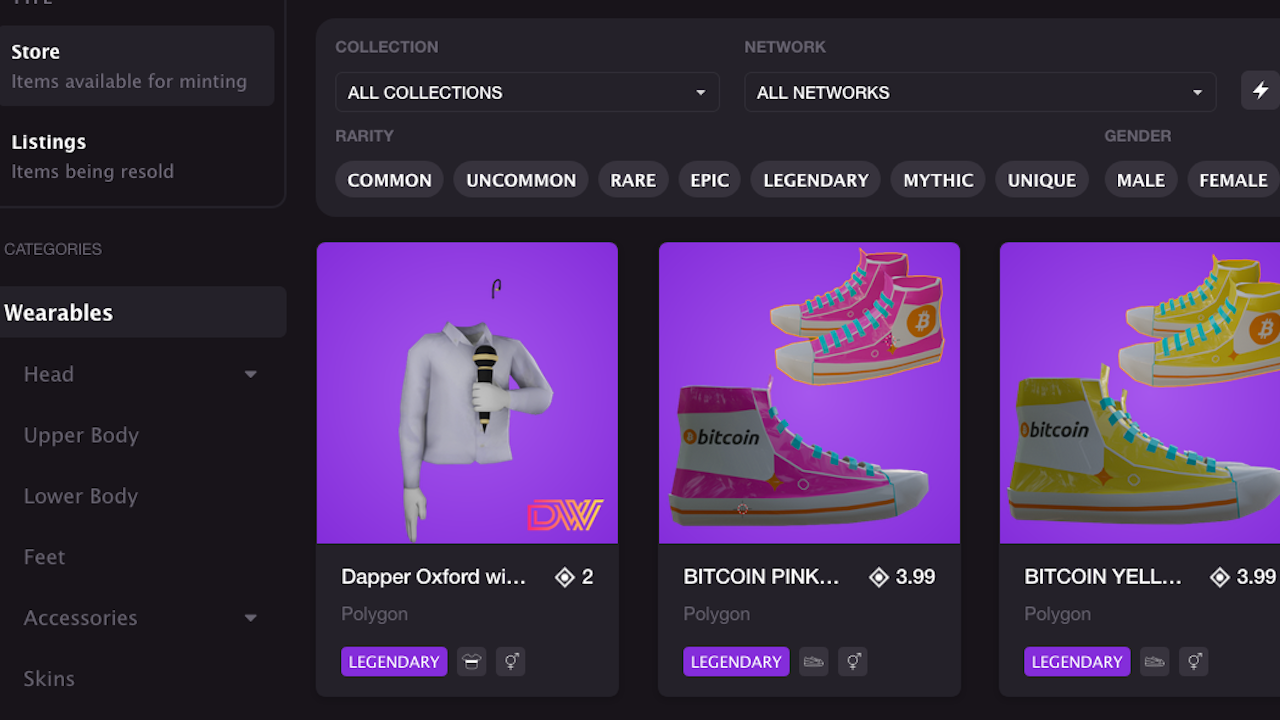
“We’ve had brands that have reached out to us and said, ‘We actually don’t care about monetizing, we just want the publicity,'” Klein says. “Many are entertainment brands that want to build out a stadium or a music studio, and then they can eventually start selling records or setting up concerts.”
Many are also retail stores, recreating physical products in the metaverse and selling them as collectibles for visitors’ avatars.
“Brands mostly just want to tell their customers that they’re forward-thinking,” he says.
Kiguel says Tokens.com has also received countless requests from companies looking for advertising opportunities. “They’ll pay us $1,000 a month to put up a virtual digital billboard for the company in a high-traffic neighbourhood,” he says.
Tokens.com recently bought close to 450,000 square feet of land in the fashion district of Decentraland. The Metaverse Group, a subsidiary of Tokens.com, will be hosting the first-ever Metaverse Fashion Week with Decentraland from March 24 to 27, featuring brands such as Cavlli, Dolce & Gabbana, Elie Saab, Tommy Hilfiger and more.
All of this interest from big-name companies will likely drive up the value of all other plots of land in a given platform – as more interest is generated, more users will visit the universe for events such as the fashion show. More users means more traffic and more exposure.
But, like any other real estate market – especially one as new as the metaverse – there is risk associated with investing. As a speculative asset, the metaverse market could “crash” at any time despite its current steady growth.
Ultimately, Kiguel emphasizes that the metaverse is not a get-rich-quick scheme, and investors need to do their research before putting their money into the virtual world, he says. “It’s more like the real world than people may think.”

