
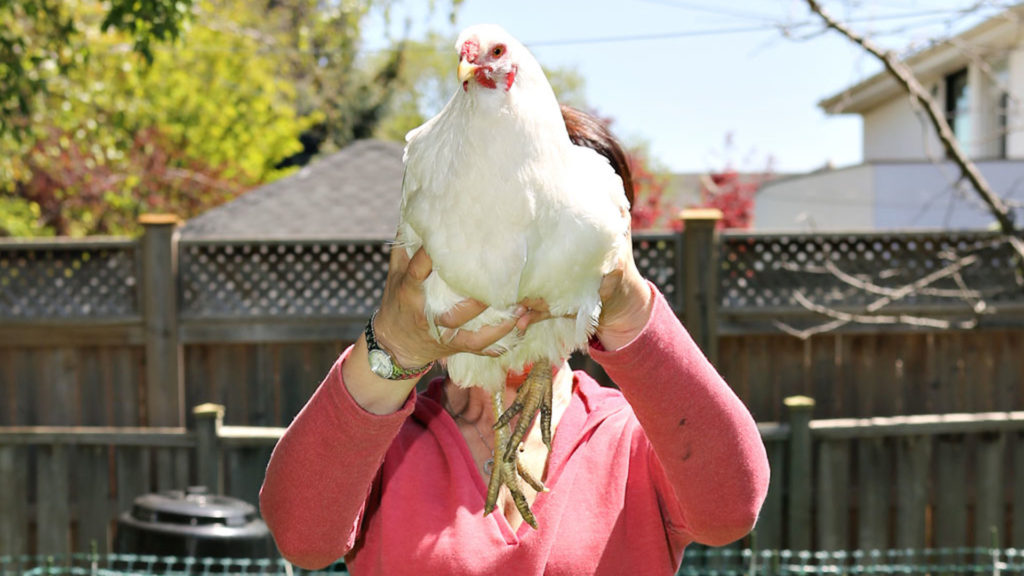
Toronto’s backyard chicken farmers no longer need to worry about running afoul, ahem, of city bylaw officials as the program could become permanent as early as April 6. Four years after the UrbanHensTO pilot program first began, a staff report has recommended that it be made permanent and expanded city-wide.
Backyard chicken-keeping has been gaining popularity in recent years, especially since the pandemic, with people becoming more invested in their health, along with a growing interest in where food comes from.
“People, in general, are becoming more concerned that they are disconnected to the way that their food is produced and want to gain back some of that connection. For some, it’s a fundamental link to their families and cultural traditions,” said Rhonda Teitel-Payne, co-coordinator with Toronto Urban Growers. “When some people start keeping hens, they discover that aside from getting a regular source of fresh eggs, they’re also developing a relationship with the chickens, like pets.”
Initially launched in March 2018, the program allowed registered households in select wards across the city to keep up to four hens for the purpose of enjoyment and egg production – not to be raised as livestock to eat.
Urban farmers who partake in the program have some strict rules to adhere to, with the city suggesting a two-hen minimum and noisy roosters not allowed. Hens must be at least four months old when acquired, the selling of eggs is not permitted, and staff suggests finding a veterinarian who is knowledgeable about hens prior to purchase.
Residents must also register their hens with the city, reside in a home or a townhouse with a backyard, and construct a coop in compliance with local zoning requirements.
There are also annual fees to consider, including flock registration: $151; cost recovery fees: $34; and a site inspection: $111.50. To help mitigate cost barriers and improve equitable access, staff are also recommending community hen-keeping projects be considered on a case-by-case basis.
The backyard chicken movement in the city dates back to at least 2009 when a Forest Hill resident, who went by the handle of the Toronto Chicken, kept hens in her yard and advocate for the removal of the bylaw preventing them by setting up a petition and pushing for change. She found an ally in former city councillor Joe Mihevc.
Urbanites that don’t want to bother with building a coop and buying chickens have the option of renting hens through the Rent the Chicken program. In the Toronto area, Belbeck’s Family Farm handles chicken rentals through the Rent the Chicken program.
“Give people the space and tools to produce their own food and we’ll see the side benefits for our city – more green spaces, better neighbour, and stronger and more resilient communities,” said Teitel-Payne. “And it’s really hard to grow enough protein in an urban veggie garden. Eggs are a good source!”
According to the report, which was developed in consultation with Toronto public health, there have been no significant issues with the pilot program, and complaints have been low.
“The program has provided benefits to participants such as access to fresh local eggs, educational opportunities related to food systems and urban agriculture, and has supported mental health, as noted by program participants,” the report states.
The report will be considered by the economic and community development committee on March 24 and by city council on April 6.

