
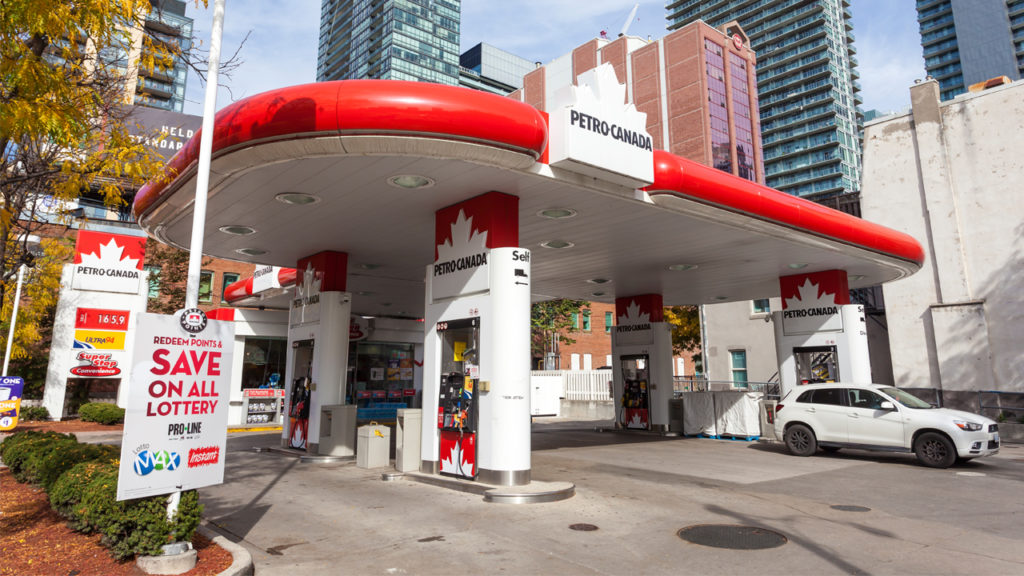
When filling up her car with gas recently, mental health worker Lynda Myung was shocked to see the price and the question for many is will the sky-high gas prices impact the housing market.
“I can’t even get a full tank off of $60 anymore,” Myung said. “That’s quite a hike.”
She is not alone. Like many Torontonians, gas sticker shock has quickly become the norm as prices have spiked over the last weeks, even hitting as high as $2 a litre from an average of $1.38 a litre in September 2021, according to Statistics Canada.
The rising price is causing worry in many consumers, including Myung, who are already facing inflationary pressures across the board that is leaving wallets dry.
According to CIBC Deputy Chief Economist Benjamin Tal, gas prices are rising for a number of reasons, including sanctions on Russia for its invasion of Ukraine – Russia is one of the world’s top oil suppliers – as well as higher gas demand as temperatures warm and airlines, are flying more.
The higher gas prices can have wider economic implications, Tal told Post City, such as less consumer spending on other goods. Myung, for one, has already reduced her spending on food and clothes.
“That can be recessionary,” Tal said.
The Bank of Canada recently raised its key interest rate to 0.5 per cent in early March after leaving it at historic lows throughout the COVID-19 pandemic. Tal said that BoC will keep a close eye on inflation in the second half of 2022 and could raise rates quicker than expected if it doesn’t ease.
There is one trend, though, that may change Canada’s economic fortunes compared to past gas price hikes – work from home.
Working from home was not popular in the past, causing Canadians to still shell out on gas even when prices had spiked.
But now, after it gained popularity during the pandemic, work from home has become a “significant force” that can reduce dependency on cars, Tal said and may allow consumers to keep spending on other goods.
Even though pandemic restrictions are loosening, Tal still sees work from home as not going away as employees may demand it to continue for up to three days of a workweek.
For those who have to drive to work, such as Myung who has to be on-site, Tal thinks they may have to be “creative” to reduce costs, such as carpooling, relying on public transit, or investing in electric vehicles instead.
“If you are able to adjust your behavior better than the past, then the probability of recession because of that is a bit low,” he said.

