
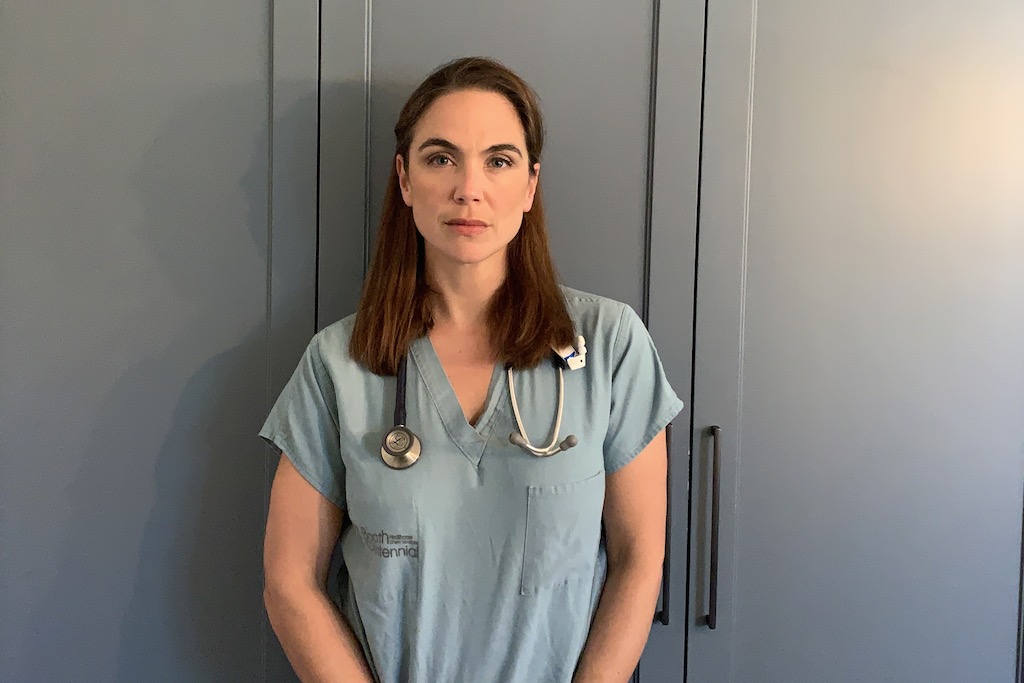
Emergency rooms across the GTA have seen a drop in patient numbers, and physicians are worried that individuals experiencing health issues that require medical attention are choosing to stay home instead of visiting an ER during COVID-19.
“Our volumes are down right now, in part because many people that perhaps seek care for non-emergencies are not coming in, but we fear for those that do have acute emergencies,” says Dr. Jennifer Tomlin, an ER physician at North York General Hospital. “We want them to come in. We want to care for them, to help them. We will do our very best to keep them safe in our hospital.”
Of course, not all injuries or health issues require a visit to the ER, and for those unsure as to whether they should make the trip to the local hospital, a call to Telehealth Ontario or their family physician’s office is a good first step. Telehealth Ontario is reachable 24 hours a day, seven days a week at +1 866-797-0000 or via the Ontario Ministry of Health website.
However, Dr. Tomlin says that other issues such as any acute injury, chest pain, shortness of breath, stroke-like symptoms, severe infections, acute abdominal pain, inability to eat or drink, or severe confusion in the elderly that makes it unsafe for them to be at home should all be directed to the ER.
“Another instance to add is any mental health crisis that can’t be managed with current supports. Any feelings of suicidality should prompt someone to come in,” says Dr. Tomlin. “There are many more scenarios that I have not touched upon. In a nutshell, anything that makes you concerned for your health or the health and safety of your loved on, please bring them in for us to assess.”
For those worried about possible exposure to COVID-19, social and physical distancing measures should be practised whenever possible.
“When coming to the ER, you will get fully triaged by one of our nurses. They will fully asses you and take all vitals signs, including, but not limited to temperature. This is standard for any patient coming in, no matter what their concern is,” says Dr. Tomlin. “If there is any concern regarding respiratory, infectious, COVID symptoms the patient will be instructed to put on a supplied face mask.”
Visitors can also wear their own non-medical grade mask to the ER, as well as gloves. Though the triage process has remained fairly standard, there are other hospital policies that have changed such as policies regarding visitors.
Many hospitals across the city, including Toronto General, are moving towards a no visitor policy, with exceptions on compassionate grounds and other special safety needs. Exceptions may be made in advance for patients receiving end-of-life care, those who are critically ill, and patients who have just received surgery or need to be escorted home for their safety.
North York General has also adopted a no visitor policy with exceptions and has closed all entrances except for their south lobby, requiring patients and visitors to enter only through there. Other hospitals have implemented similar regulations including St. Michael’s, where visitor exceptions are also made for women giving birth, and patients under the age of 16, but are of course conditional on virus screening.
St. Michael’s has also instituted a new policy on delivering essential patient belongings including “bedside basics” such as mobility devices and toiletries, and any culturally required food (such as for patients who uphold kosher or halal standards). If you’re uncertain about whether or not you can visit a loved one, it’s advised that you make contact with the hospital’s patient relations team or simply read the notices on their websites.

