
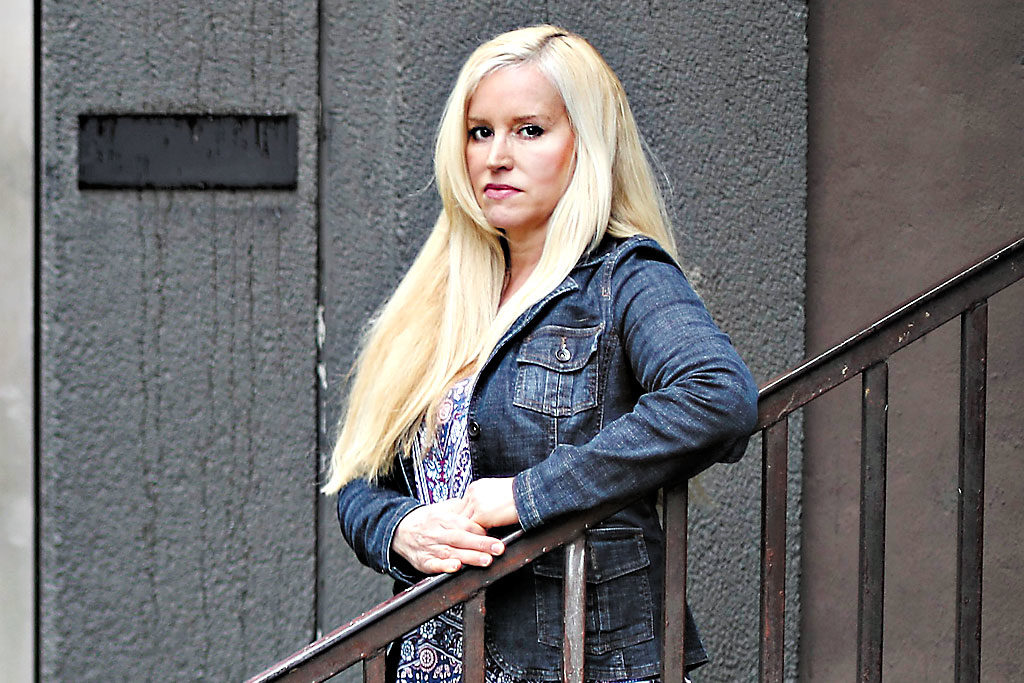
Linda Redgrave — formerly known to the media as Witness Number One in the high-profile Jian Ghomeshi trial — came out of anonymity last month. The reason, she says, is so that she can help educate sexual assault survivors and help them come forward. We asked her about her gruelling experience in court and why she thinks the system failed her.
What made you decide to reveal your identity?
I didn’t want to bring attention to myself during the trial, and I didn’t want people to question my motives. But I didn’t want to be known as Witness Number One. I wanted to be able to speak publicly about the problem.
How did you feel about the way your story was scrutinized? Did any of it seem fair?
It was completely unfair because I’m a layperson on the stand against a seasoned professional. Their job, it seems to me, is not to find the truth, but to take something that’s not a lie and make it seem like a lie. And you can’t clarify or ask questions back. You don’t have any way of standing up for yourself.
Did you at any point begin to doubt your own story?
No. My story is my story. The problem is people’s lack of understanding of how memory works under trauma. The judge said my behaviour was odd — but apparently so was everyone else’s [the other complainants]. Odd is different, but my behaviour was actually normal.
Going into the trial, what kind of support did you expect?
I, like many others, thought that the Crown attorney was my lawyer. They tell you pretty quickly that’s not the case. I didn’t know what to expect, but I realized that there was nothing. There was no help. I didn’t get lawyers until later.
When you realized that the Crown wasn’t there to help you, what went through your mind?
I was thinking about how uneven it is and how unfair it is. There were things the Crown could have done, but would it have made a difference given the forum? People keep saying it’s “he said, she said,” but it’s really “she said, she said” because he [Ghomeshi] didn’t speak.
In hindsight, what would you have done differently?
I would have had lawyers right from the beginning. I wouldn’t have done media. I would have waited for that. But when I went to the media, I didn’t even know that I could go to the police. I thought there was a statute of limitations for reporting a sexual assault.
What would you say to a sexual assault victim who followed the trial and who now thinks that coming forward is impossibly difficult?
It’s extremely difficult. But what would make it easier is having information from the very beginning. I would also strongly suggest getting legal counsel before going to police, so that your statement will not be a train wreck like mine was.
Can you tell us about your website comingforward.ca and what you hope to accomplish with it?
I want to continue helping people. It’s still in its infancy. I want it to be a place where people can have resources, and I want a forum so people can talk about their fears. I’d like to collaborate with other people and give seminars. I have big plans for the website. It’s to help people get information because I didn’t know anything about anything. People need to have an idea of what they’re up against.
What needs to change about the system?
In the future, it should be more like a civil suit meets a restorative justice process, where everybody speaks and everybody is represented, and all your laundry isn’t aired out for everybody to see. Just something more even.

