
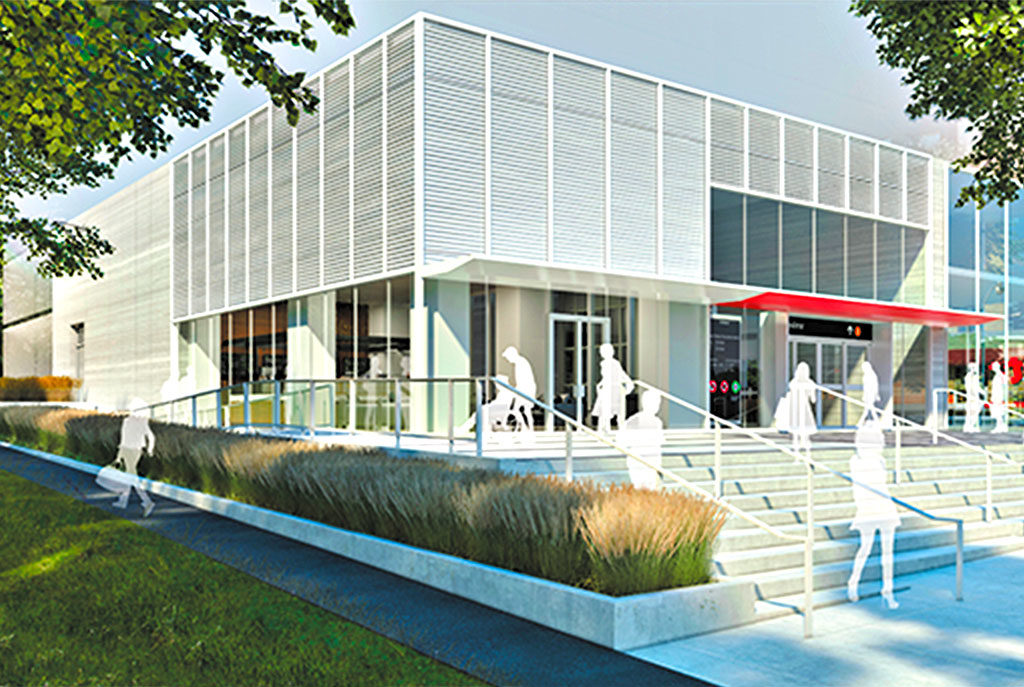
Although the city continues to debate our transit needs, progress is being made on the Eglinton Crosstown line but at the cost of reduced lanes and congestion. The Eglinton Crosstown, on the path to a 2020 opening, is the largest transit project in Canada and will transform Eglinton and many neighbourhoods.
One of the objectives of the City of Toronto is to take advantage of the new transit and target higher densities on the line, particularly at stations. The new LRT stations at Eglinton and Avenue Road and Eglinton and Bayview are ideal locations for condominium development on top of the stations.
It is only common sense for the city to work with developers and have them pay for part of the station construction. Co-ordinating the building of condominiums at the same time stations are built is a great idea, but it is very difficult in practice.
The first challenge is acquiring the land. The city has the ability to expropriate land if it can demonstrate that it is in the municipal interest, which means the city has to prove why the land is needed and offer a fair market value to the owner.
Often there is a dispute because the city wants to minimize the price while the owner wants to maximize it. The price of land for a transit project is different than the price of land for a condo tower. Once the land is expropriated, the use has to be consistent with the municipal interest. The city cannot expropriate land to build condominiums, only transit stations.
If the city wants condominiums built on the top of a transit stations after the station is built, it needs to partner with a developer. Once that is done, there is the issue of timing. Often it takes years for development approvals. After that, the units have to be sold before the developer gets the required financing to build anything. It is rare that the timelines to build the stations can be met by the developers.
People often ask why it was possible to develop above Yonge and King or Yonge and Queen and not Bayview and Eglinton. One of the reasons is that the original stations built 60 years ago were not designed to be accessible. Luckily, new stations must be accessible from street level.
These standards make it harder to partner with developers as it’s likely most homebuyers prefer not to have a TTC entrance as their lobby.
Although there are challenges in co-ordinating building stations with condos, there are opportunities to build commercial space. Yonge Eglinton Centre is a unique example of a commercial building working with the transit agency to integrate the entrance into their building.
Even without condos on top of stations, density and jobs will grow along Eglinton. It might take some time, but the results will be transformative.

