
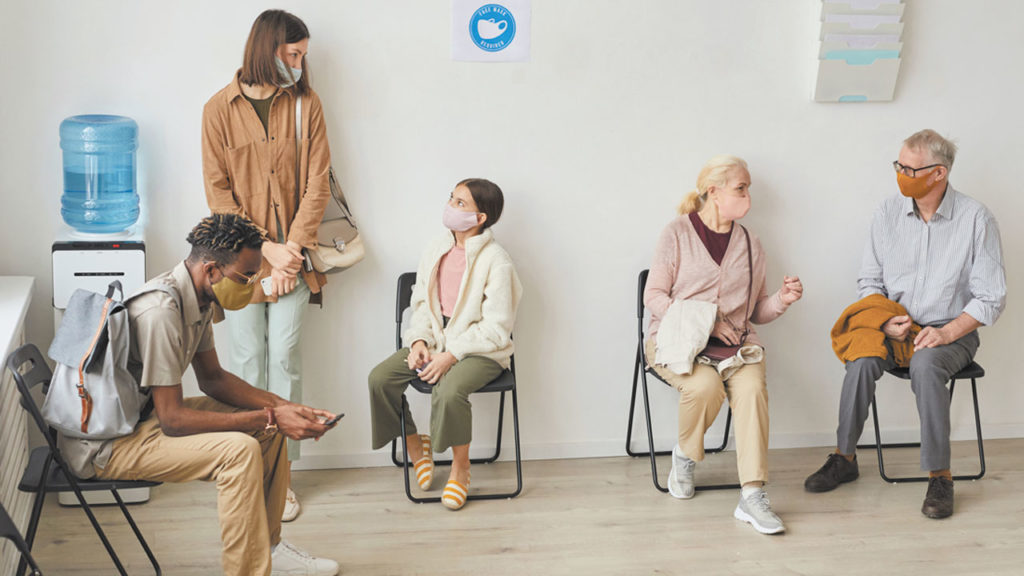
A mother, Susan Reeves, in the Greater Toronto Area, eager to find a family doctor for her young child has been looking for a physician since moving back to the area from southwestern Ontario. She has had no luck.
“I don’t expect to find a paediatrician any time soon and will probably use pediatric walk-in clinics or virtual doctors until I figure something else out,” she said.
The scenario Reeves (not her real name) is dealing with is playing out every day in Toronto and the surrounding region as health-care investment dwindles and the population and those in need of health care rises.
And according to a report by Unity Health Toronto, 20 percent of family physicians in Toronto could close their practice within the next five years leaving a gaping hole.
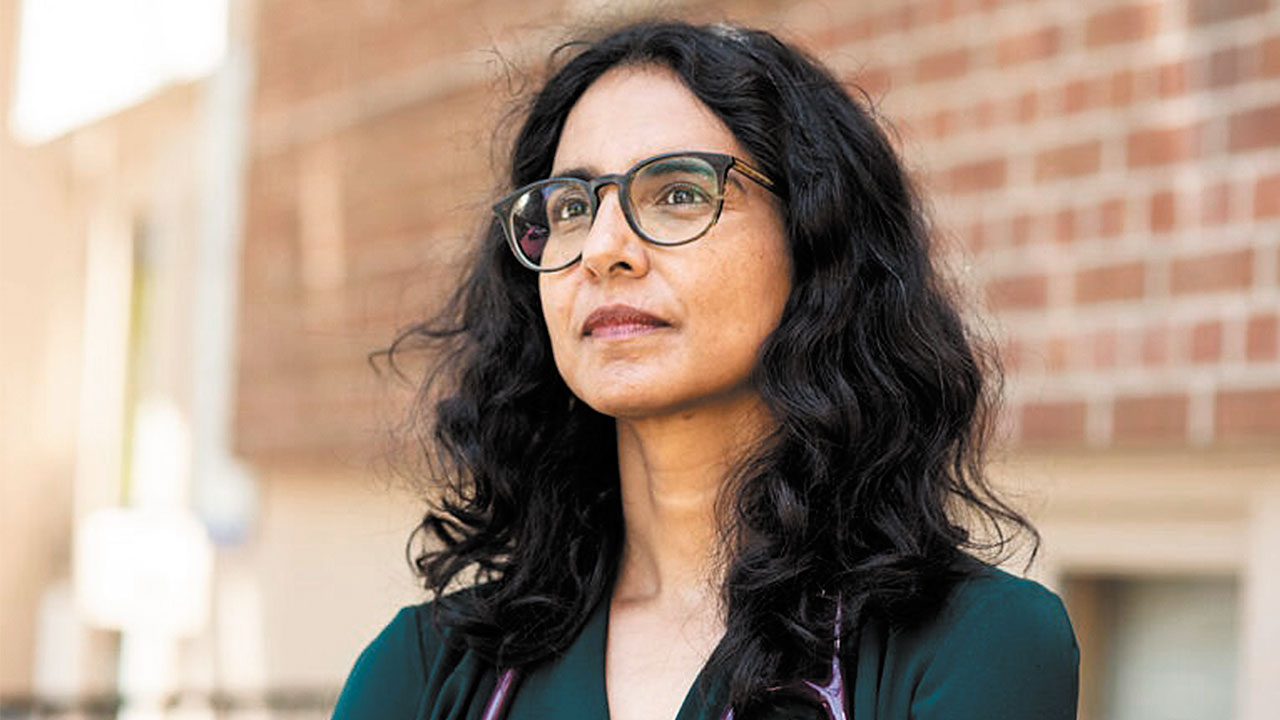
“It’s worrying that almost one in five family physicians who we surveyed in 2021 were thinking of closing their practice in the next five years. Family medicine is the front door of our health system, and for too many people that front door has been closed. Our findings suggest things are only going to get worse,” said Dr. Tara Kiran, lead author of the study and a scientist at the MAP Centre for Urban Health Solutions at St. Michael’s Hospital.
In another instance, a well-connected father has been beating down doors trying to find a family doctor for his teenage son who hasn’t had a checkup for a few years. This person, who chose to remain anonymous, has friends at hospitals and has more than one family doctor in his friendship circle. Still nothing.
“I called the Medical Station on Wilson near his place and it was all filled up,” he said. “After a few weeks they got another new doctor and again it filled up right away. It’s a struggle and I’m very concerned.”
According to an Angus Reid survey this past September, a third of Canadians, those lucky enough to have a family doctor, can’t even get in to see someone within a week while just 14 per cent “say they have a doctor, and can get an appointment quickly.”
The same survey explained that six million Canadians don’t have a family doctor.
Angus Reid gave the example of Dr. David Eaton who is set to retire. As a result, “1,400 of the approximately 2,800 people of Wheatley, Ont., will be losing their family doctor, with nobody lined up to take his place.”
Part of the reason for the shortage can be chalked up to the COVID-19 pandemic, which has affected the province’s health care system in a number of different ways, including at the human resource level.
“Nearly 1.8 million Ontarians don’t have a regular family physician. Our findings suggest things are only going to get worse,” said Kiran.
The difficulty in finding a family doctor leads some to consider heading to the local hospital emergency room, which has seen wait times balloon like never before, thanks to a number of seasonal viruses.
But despite the strain, primary care in local hospitals, such as North York General, has held firm, where Dr. Phil Shin is the medical director of critical care.
“I will say, in my direct experience, and in North York General, specifically, I think primary care has really continued to see patients, so access to family doctors, I think, is still very good,” said Shin.
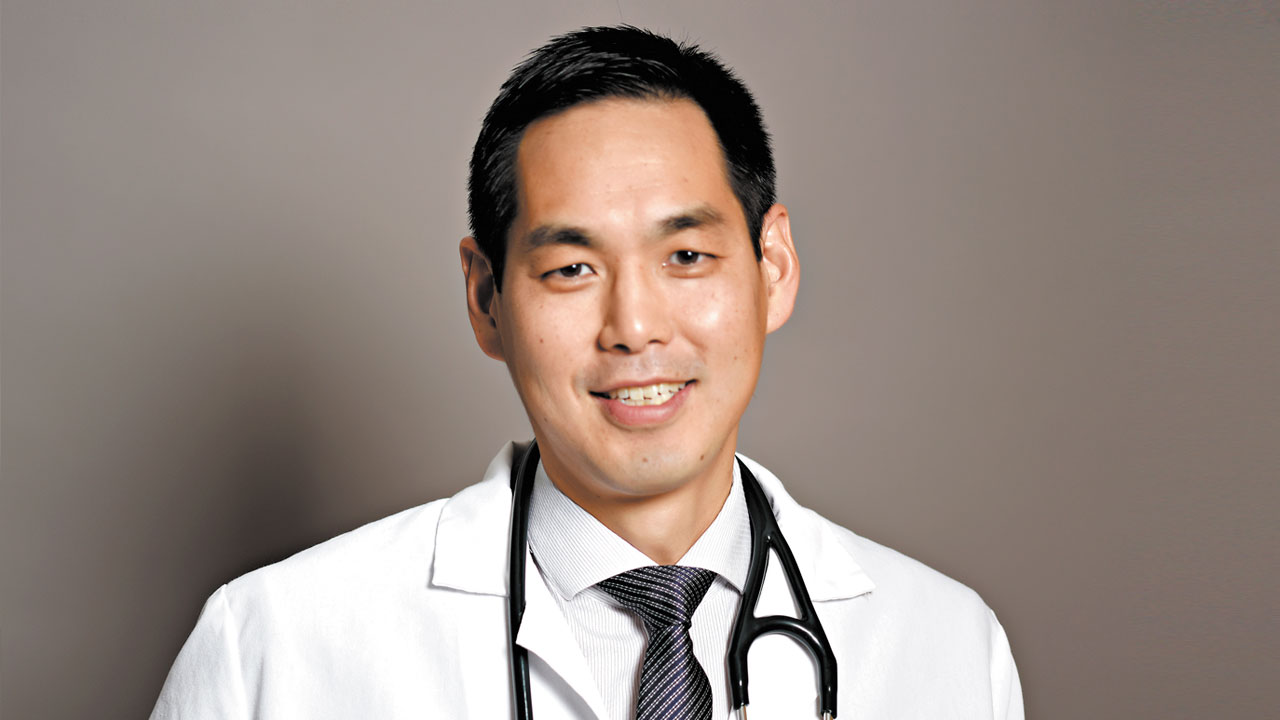
“And in fact, many family doctors, including my wife, who is a family doctor, have expanded their hours to provide increased access for their patients. I know that’s been reported and talked about, but I think generally speaking, the vast majority of family doctors are seeing patients in person and, in fact, seeing a lot of patients and younger children with respiratory illnesses within their practice.”
With the current trio of COVID-19, seasonal influenza and RSV, emergency rooms, especially for children, are overflowing with little or no relief in sight. But, according to Shin, there are alternatives and needs are being met.
“Given the burden, I think there are other avenues for seeking care. In fact, our hospital does have a new clinic called a Cough, Cold and COVID clinic. So it is an additional clinic that the hospital provides outside of the emergency department at our Branson site,” said Shin. “That’s where children and adults can go to have respiratory symptoms assessed. So that’s an additional resource that hospitals have provided. And then of course, the emergency department is supposed to be reserved for the sickest patients.”
In addition, the provincial government is moving to fast track plans to certify international doctors.
Of course, for the tens of thousands who are without a family doctor what might happen in the future is of little solace.
Tips for finding a family doctor
Local Hospitals
Many local hospitals have family practice units within the facility.
Health Connect Ontario
You can call the Health Connect Ontario phone service by dialling 811 from any phone. You can talk to a registered nurse 24 hours a day, 7 days a week. This service is free and confidential.
Doctor Registry
College of Physicians and Surgeons Ontario Doctor Registry offers a complete list of family physicians, not just those seeking new patients. But you can zero in on your area and cold call offices.
Summer Set
Family physicians often graduate in July, which is a great time to contact them through a university’s department of family medicine or the CPSO.
Walk-in clinics
No appointment is necessary to go to a walk-in medical clinic. Some clinics are open in the evening and on weekends. It is important to go to the same clinic each time to build a medical file of care.

